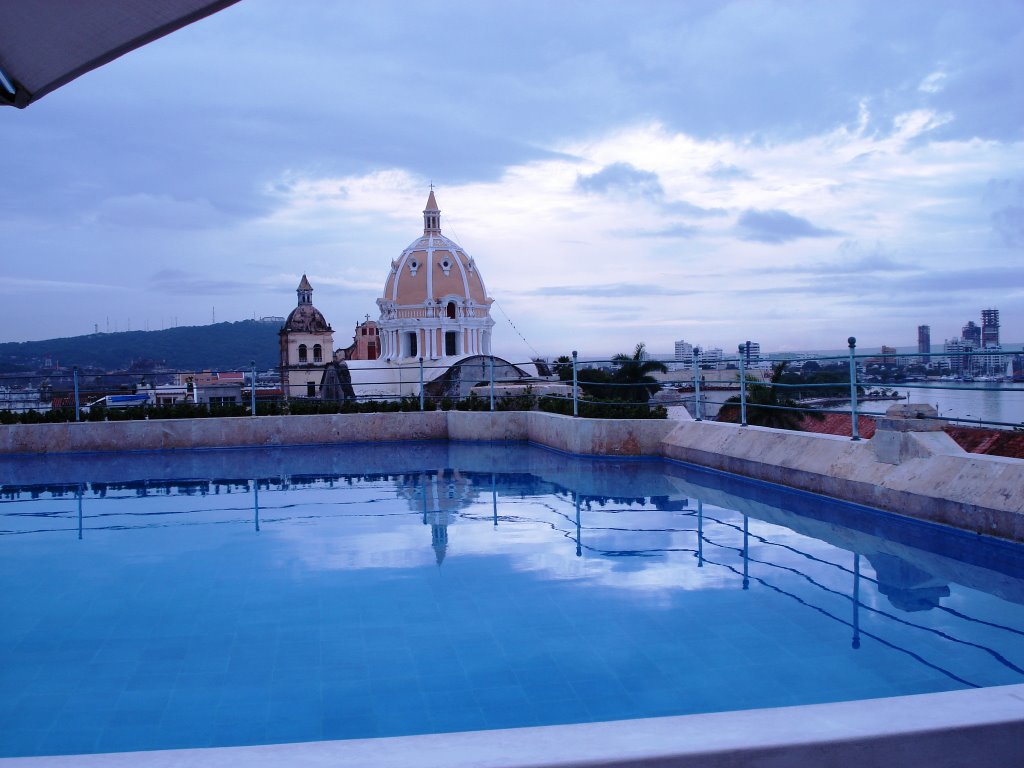
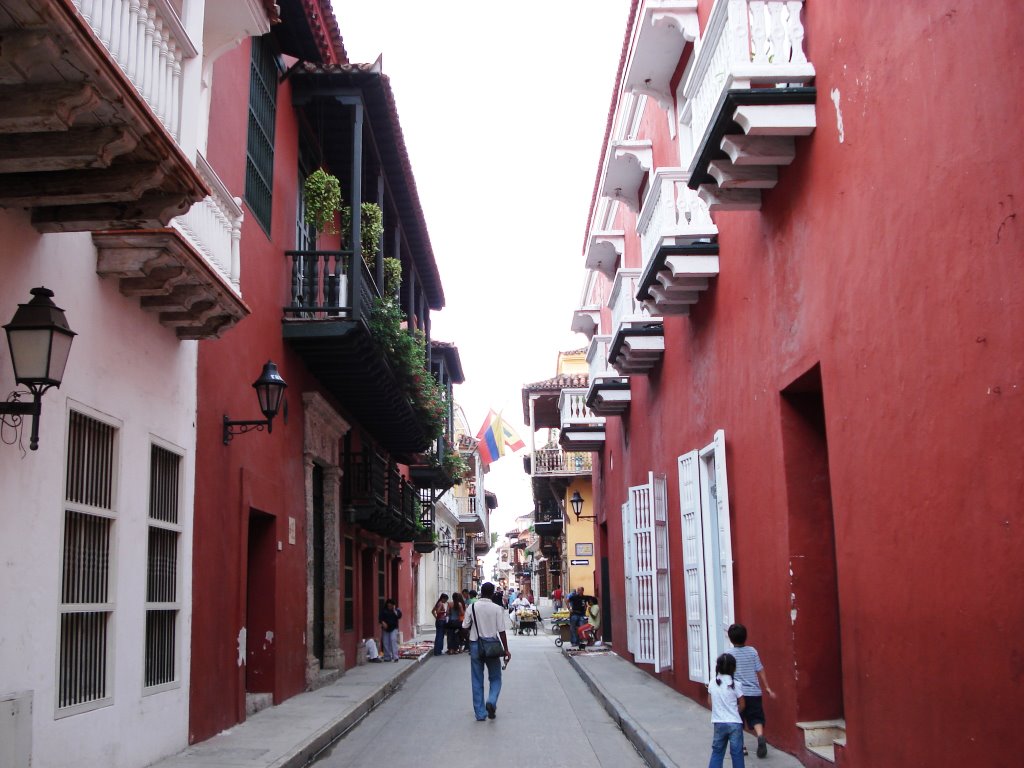

La dulce sensación de hacer las cosas que me gustan. The sweet tasty feeling of doing what I like. A doce sensação de fazer as coisas que eu gosto mais! La dolce e gustosa sensazione di fare ciò che mi piace.
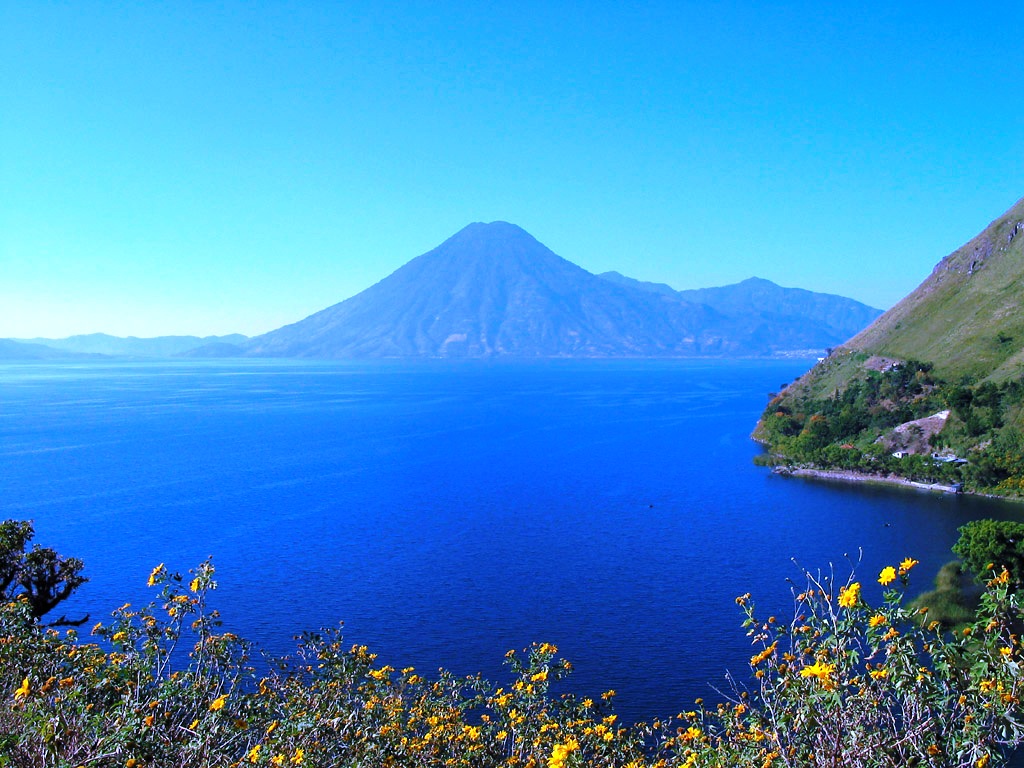
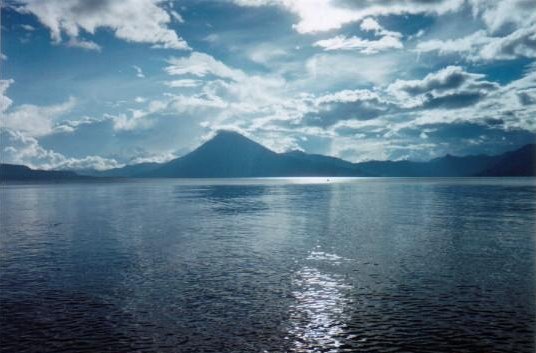 Né d'une éruption volcanique, (Caldeira, cône volcanique effondré il y a plus de 80,000 ans) ce cratère est devenu l'un des plus beaux lacs du monde, avec son eau cristalline et azurée, profond de plus de 560 mètres. Atitlán gît à plus de 1,500m d'altitude et est l'endroit idéal pour entrer en contact avec le folklore guatémaltèque et la vie réelle indigène. Les habitants sont des Mayas Quiché, Cakchiquel et de la nation Tz'utujil. Les gens vivants sur les rivages du Lac Atitlán sont célèbres pour leurs qualités d'artisans.
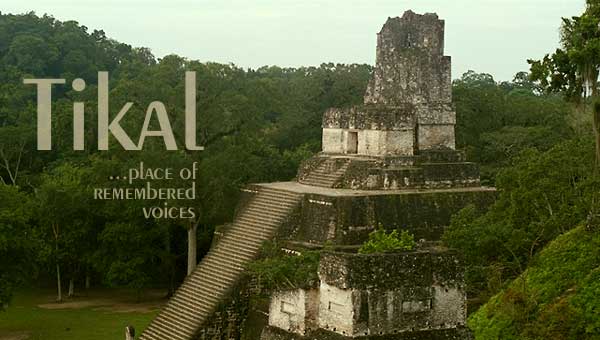
Miguel Ángel Asturias, named Nobel Laureate in 1967, wrote "Only Guatemala is comparable to itself," describing it as "a land of natural dreamscapes...mysterious presences and absences." Tikal, the largest known Mayan city, is incomparable in the same way; its size imposing and intimidating, its setting lush and teeming with wildlife, and with a mysterious and overwhelming atmosphere best described in the writing of Asturias:
"The imagination reels. There are reliefs, pyramids, temples in the extinguished city. The damp murmur of the arroyos, voices, crepitations of the intertangling vines, the sound of flapping wings, trickle into the immense sea of silence. Everything palpitates, breathes, exhausting itself in green above the vast roof of Peten."
Miguel Ángel Asturias, The Mirror of Lida Sal: Tales Based on Mayan Myths & Guatemalan Legends, p. 13-14.